


INTRODUCTION
If you are installing an off-grid or hybrid solar system, the most important component after solar panels is the battery. A solar battery stores energy produced during the day and provides power at night or during load-shedding.
But in 2025, the biggest question homeowners ask is:
👉 “Should I buy a Lithium battery or a Lead-Acid battery?”
This complete guide compares both battery types in depth — lifespan, performance, cost, charging time, safety, maintenance, warranty, and real-world usage — so you can choose the right one for your home.
1. What Is a Solar Battery?
A solar battery stores energy generated by solar panels for later use. It ensures you have power:
- During the night
- During cloudy weather
- During load-shedding
- When solar production is low
Solar batteries are essential for off-grid and hybrid systems.
2. Types of Solar Batteries
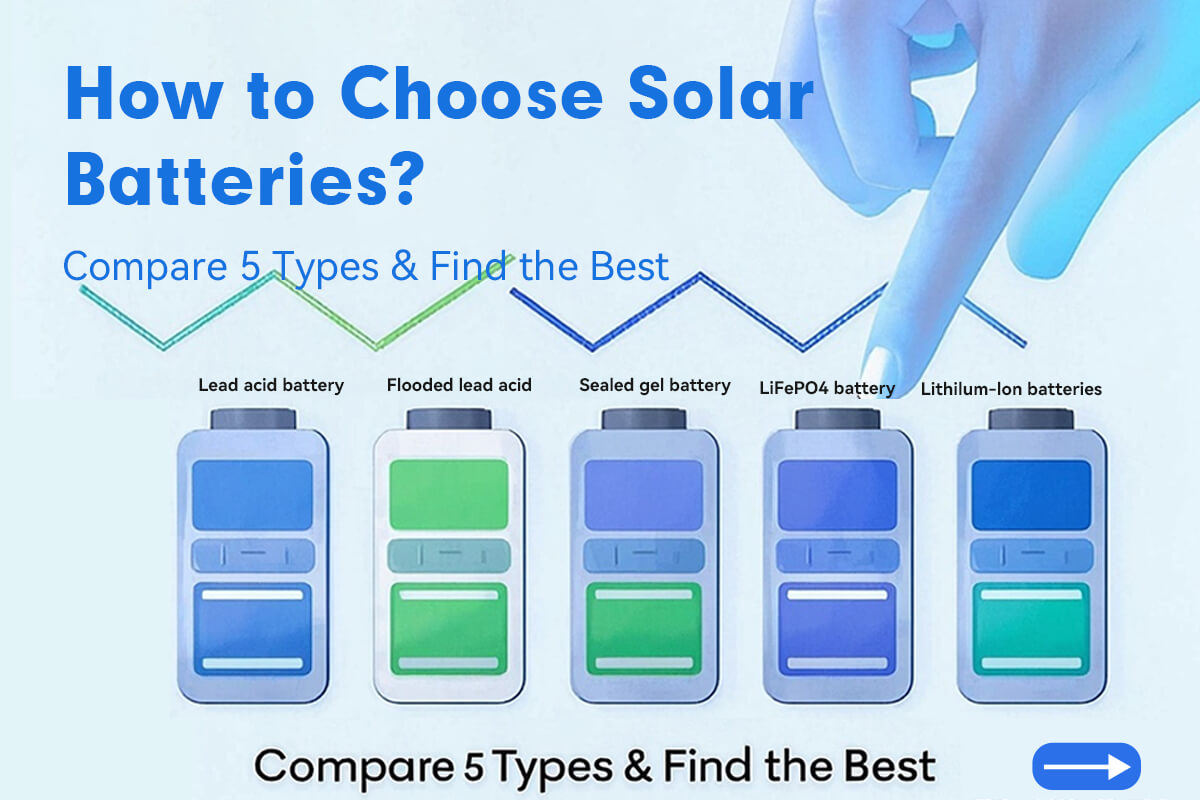
In 2025, two main types dominate the market:
A) Lead-Acid Batteries (Old Technology)
These include:
- Flooded Lead Acid
- AGM
- Gel
They have been used for decades and are cheaper but less efficient.
B) Lithium-Ion Batteries (New & Advanced)
Types include:
- LiFePO4 (Lithium Iron Phosphate) — Most popular in solar
- NMC Lithium
Lithium batteries are now the preferred choice due to long lifespan & higher efficiency.
3. Lithium vs Lead-Acid — Quick Comparison Table
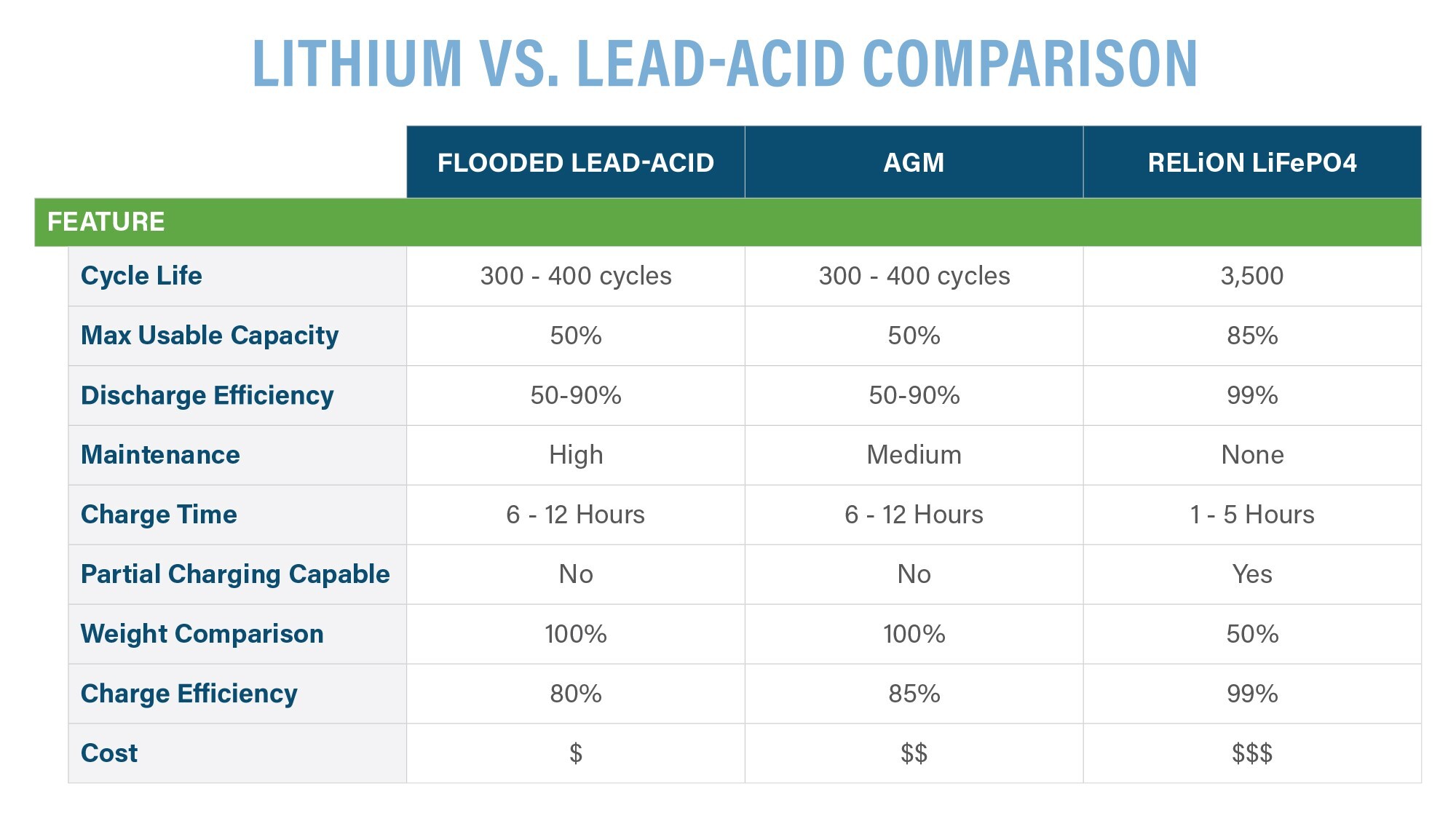

| Feature | Lithium (LiFePO4) | Lead-Acid |
|---|---|---|
| Lifespan | 10–15 years | 2–5 years |
| Cycles | 4000–6000 | 300–800 |
| Depth of Discharge (DoD) | 80–95% | 30–50% |
| Charging Time | Fast | Slow |
| Weight | Light | Heavy |
| Maintenance | Zero | High |
| Safety | Very Safe | Can leak/overheat |
| Efficiency | 95% | 75% |
| Cost | High | Low |
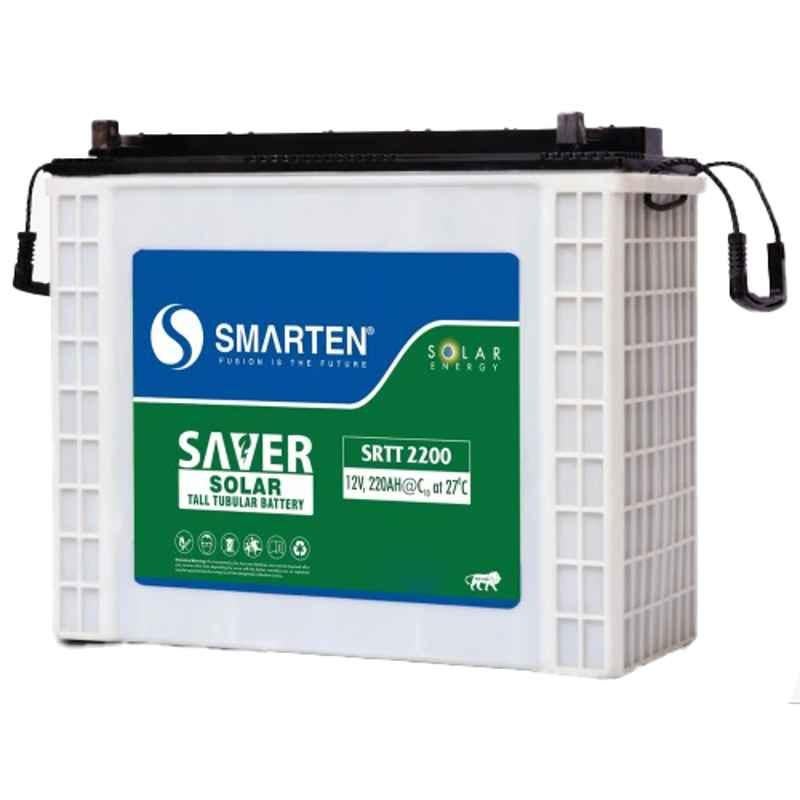
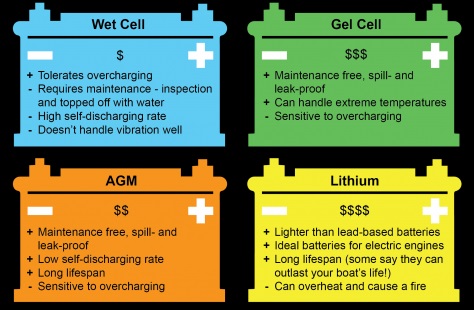
4. Lead-Acid Batteries Explained
Advantages
✔️ Low Cost
Cheapest option for solar systems.
✔️ Easily Available
Widely sold everywhere.
✔️ Works with all inverters
Compatible with old and new systems.
Disadvantages
❌ Short Lifespan
Only 2–5 years, depending on usage.
❌ Heavy & Bulky
Difficult to move or install.
❌ Requires Maintenance
Needs water topping (flooded type), cleaning, venting.
❌ Low DoD
You can only use 30–50% of stored energy.
❌ Slow Charging
Cannot absorb high charge currents.
❌ Degrades Quickly in Heat
Summer reduces lifespan significantly.
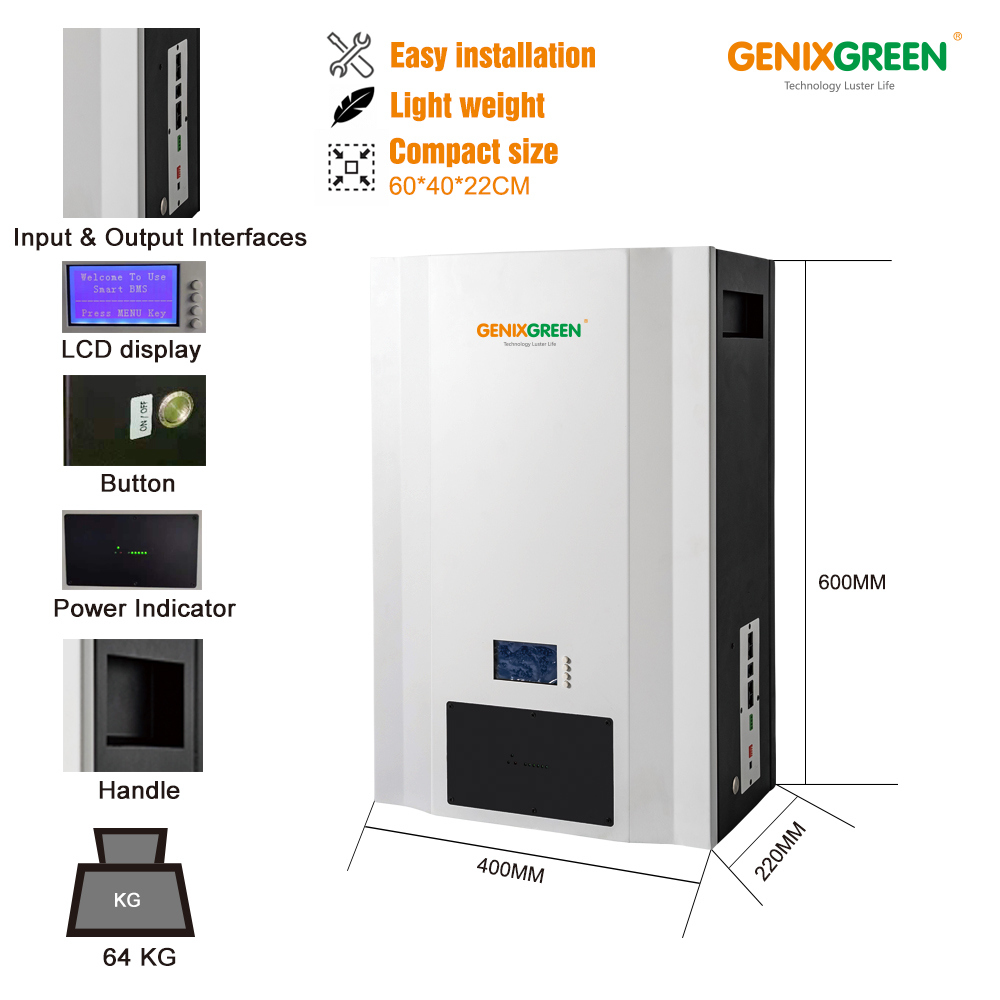
5. Lithium-Ion Batteries Explained

Advantages
✔️ Extremely Long Lifespan
Lasts 10–15 years comfortably.
✔️ High Depth of Discharge
Use 80–95% of stored energy daily.
✔️ Fast Charging
Perfect for hybrid & off-grid use.
✔️ Lightweight
Easy installation and minimal space needed.
✔️ Zero Maintenance
No water top-up, no corrosion.
✔️ Highly Efficient
Energy efficiency above 95%.
✔️ Safe
LiFePO4 chemistry is stable and non-explosive.
Disadvantages
❌ Higher Upfront Cost
But cheaper in the long-run due to long lifespan.
❌ Not compatible with very old inverters
Needs a modern hybrid/off-grid inverter with BMS support.
6. Performance Comparison: Real-Life Usage
A) Lifespan
- Lithium: 10,000+ days (10–15 years)
- Lead-acid: 900–1800 days (2–5 years)
💡 Lithium lasts 3x–5x longer.
B) Storage Capacity
Lithium maintains 90% capacity even after 5 years.
Lead-acid drops to 60% or lower.
C) Charging Speed
Lithium charges 4–6× faster.
Lead-acid overheats if charged fast.
D) Performance in Heat
Lithium performs well even in 45°C+.
Lead-acid degrades rapidly in high temperatures.
E) Depth of Discharge
Lithium: Use almost the entire battery.
Lead-acid: Must keep 50% unused or it gets damaged.
7. Cost Comparison (2025)
Lead-Acid Battery Cost
- Low upfront price
- High replacement cost every 2–4 years
- Higher long-term expense
Lithium Battery Cost
- High upfront price
- No replacement for 10–15 years
- Lowest long-term expense
Long-term cost calculation:
Lithium battery (12 years) costs less than replacing lead-acid every 3 years.
8. Which Battery Is Better for Off-Grid Systems?
🏆 Lithium Battery (Clear Winner)
Because:
- More cycles
- Fast charging
- Higher efficiency
- Better for heavy loads
Off-grid systems depend heavily on battery quality → Lithium performs best.
9. Which Battery Is Better for Hybrid Systems?
Both work… BUT:
- Lead-acid → cheap, but poor lifespan
- Lithium → ideal due to fast charging + deep discharge
Hybrid systems work best with LiFePO4 batteries.
10. Which Battery Should YOU Buy? (Simple Guide)

Choose Lead-Acid If:
✔️ Budget is very low
✔️ Backup needs are small
✔️ Short-term solution is needed
Choose Lithium If:
✔️ You want long lifespan
✔️ You have hybrid/off-grid setup
✔️ You want zero maintenance
✔️ You need heavy load backup
✔️ You want long-term savings
💡 Best overall choice: Lithium (LiFePO4)
11. Best Solar Battery Brands in 2025
Top Lithium Brands
- Tesla Powerwall
- BYD
- Pylontech
- Narada
- Lithium Pro
- Growatt ARK battery
- Huawei Luna
Top Lead-Acid Brands
- AGS
- Osaka
- Phoenix
- Exide
- Narada GEL
12. FAQ (Common Questions)
Q1: Does lithium work with all inverters?
No. It needs BMS-supported hybrid or off-grid inverters.
Q2: How long does a lithium battery last?
10–15 years.
Q3: Can I mix lithium and lead-acid?
No. Never mix them in one system.
Q4: Is lithium safe?
LiFePO4 batteries are extremely safe.
Q5: Which is best for summer heat?
Lithium performs much better.
Conclusion
In 2025, Lithium batteries are the clear winner for most homes. While lead-acid is cheaper upfront, it requires frequent replacement, offers low efficiency, and performs poorly in heat.
Lithium batteries:
- Last longer
- Charge faster
- Provide deeper discharge
- Offer better performance
- Give higher long-term savings
If you want a durable, long-lasting, and reliable solar backup system — Lithium is the best investment.